
Comprehensive Guide to Dental Implants: Advanced Tooth Replacement

A Comprehensive Guide to Tooth Root Replacement

Dental implants are one of the most popular options for tooth replacement today. They offer a long-lasting, natural-looking solution that can improve your appearance and restore your oral function. In this comprehensive guide, we will explore the different types of dental implants available, their benefits, how the implant procedure works, and what you can expect during and after the surgery. We will also cover how to care for dental implants and maintain good oral hygiene in order to ensure their longevity.
How can we help you?


Why Dental Implants Shouldn’t Be Delayed?
Lack of teeth leads to bone atrophy and early aging. Sign up for a free diagnostic and find out what condition your bone tissue is in.
Dental Implant Structure:
| How They Work |
|---|
| A dental implant is a small titanium post that is surgically placed into the jawbone to replace a missing tooth root. Here’s how dental implants work: |
| Implant Fixture |
|---|
| The implant fixture, made of biocompatible titanium, is inserted into the jawbone during surgery. This serves as the root of the new tooth and provides stability for the replacement tooth/crown/denture. |
| Abutment |
|---|
| The abutment is a connector piece that attaches to the top of the implant fixture. It protrudes above the gum line and provides a secure base for the replacement tooth/crown/denture. |
| Crown/Denture |
|---|
| The crown/denture is the visible part of the dental implant and is attached to the abutment. It is typically made of porcelain or zirconia and is custom-made to match the color, shape, and size of the patient’s natural teeth. |
| Osseointegration |
|---|
| Osseointegration is a process where the implant fixture fuses with the surrounding bone tissue in the jaw over several months. This creates a stable foundation for the replacement tooth/crown/denture and helps prevent bone loss in the jaw. |
Dental Implant Smile Gallery:
Dental Implant Options: Understanding the Types of Implants and Which One is Right for You
There are several types of dental implants available, each designed to meet specific tooth replacement needs. These include:
Single Implant:
A single dental implant is a type of implant that is used to replace a single missing tooth. It consists of a titanium post that is surgically implanted into the jawbone and a customized dental crown that is attached to the post.

Here’s what you need to know about single implants:
- Procedure: The procedure for placing a single implant involves several steps, including a thorough evaluation of the patient’s dental health, surgical placement of the implant post, and attachment of the custom-made dental crown.
- Benefits: Single implants offer several benefits over traditional tooth replacement options, including improved oral health, improved chewing ability, and a natural-looking appearance.
- Candidacy: Patients who have good bone density and healthy gums may be good candidates for single implants. However, not all patients may qualify, and a thorough evaluation by a qualified implant dentist or oral surgeon is necessary to determine the best course of treatment.
- Cost: The cost of a single implant can vary depending on factors such as the location of the tooth, the complexity of the case, and the materials used. While single implants may be more expensive than traditional tooth replacement options, they provide a long-lasting and high-quality solution.
It’s important to discuss all available options with your dentist or oral surgeon to determine the best course of treatment for your specific case.
All-on-4 Dental Implants:
All-on-4 dental implants are a type of implant-supported denture that allows for the replacement of an entire arch of teeth using only four dental implants. This technique is designed to provide a more stable and long-lasting denture solution than traditional removable dentures.
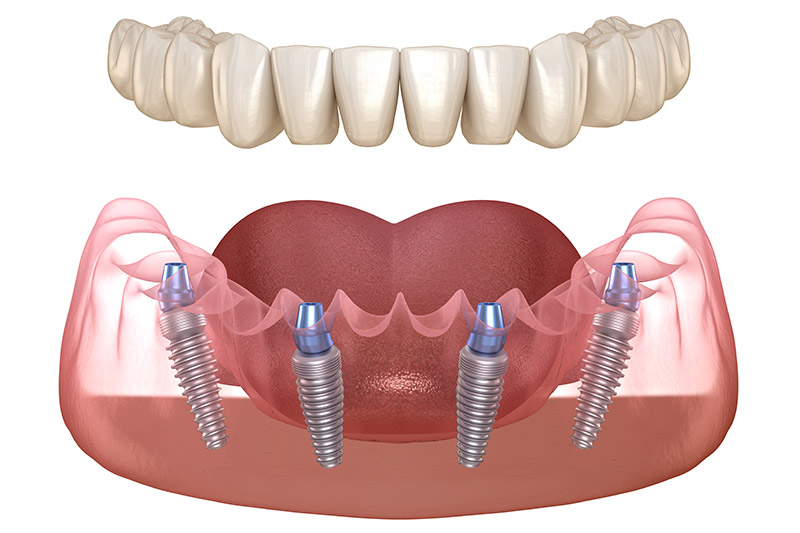
Here’s what you need to know about All-on-4 dental implants:
- Procedure: The All-on-4 procedure involves surgically placing four dental implants into the jawbone, which serve as anchors for a custom-made prosthesis that replaces all the missing teeth in the arch. The prosthesis can be fixed or removable.
- Benefits: All-on-4 dental implants offer several benefits over traditional dentures, including greater stability, improved chewing ability, and a more natural-looking appearance. They also eliminate the need for adhesives or messy cleaning solutions associated with traditional dentures.
- Candidacy: Patients who have lost all or most of their teeth in an arch may be good candidates for All-on-4 dental implants. However, candidacy depends on factors such as bone density, gum health, and other medical conditions, and a thorough evaluation by a qualified implant dentist or oral surgeon is necessary to determine the best course of treatment.
- Cost: The cost of All-on-4 dental implants varies depending on factors such as the location of the treatment and the materials used. While All-on-4 dental implants may be more expensive than traditional dentures, they provide a long-lasting and high-quality solution.
It’s important to discuss all available options with your dentist or oral surgeon to determine the best course of treatment for your specific case.
All-on-6 Dental Implants:
All-on-6 dental implants are a type of implant-supported denture that uses six dental implants to support a full arch of teeth. This technique is similar to All-on-4 implants but involves the placement of two additional dental implants for added stability and support.

Here’s what you need to know about All-on-6 dental implants:
- Procedure: The procedure for All-on-6 dental implants involves surgically placing six dental implants into the jawbone, which serve as anchors for a custom-made prosthesis that replaces all the missing teeth in the arch. The prosthesis can be fixed or removable.
- Benefits: All-on-6 dental implants offer several benefits over traditional dentures, including greater stability, improved chewing ability, and a more natural-looking appearance. They also provide added support for the jawbone and promote overall oral health.
- Candidacy: Patients who have lost all or most of their teeth in an arch may be good candidates for All-on-6 dental implants. However, candidacy depends on factors such as bone density, gum health, and other medical conditions, and a thorough evaluation by a qualified implant dentist or oral surgeon is necessary to determine the best course of treatment.
- Cost: The cost of All-on-6 dental implants varies depending on factors such as the location of the treatment and the materials used. While All-on-6 dental implants may be more expensive than traditional dentures, they provide a long-lasting and high-quality solution.
It’s important to discuss all available options with your dentist or oral surgeon to determine the best course of treatment for your specific case.
Zygoma & Pterygoid Implants:
Zygoma and pterygoid implants are specialized types of dental implants used to support a full arch of teeth when there is not enough bone in the upper jaw to support traditional implants. Here’s an overview:

- Zygomatic Implants: Zygomatic implants are longer than regular implants and are anchored into the cheekbone (zygoma) rather than the jawbone. This allows for greater stability and support of the dental prosthesis without requiring bone grafting.
- Pterygoid Implants: Pterygoid implants are inserted into the pterygoid bone, which is located behind the upper jawbone. Like zygomatic implants, pterygoid implants are used when there is not enough bone to support traditional implants.
Both zygomatic and pterygoid implants are used in cases where severe bone loss in the upper jaw has occurred due to factors such as trauma, periodontal disease, or multiple tooth extractions. These types of implants require highly skilled surgeons with specialized training and equipment.
It’s important to note that not all patients are good candidates for zygomatic or pterygoid implants, and a thorough evaluation by an experienced implant dentist or oral surgeon is necessary to determine the best treatment plan. As with traditional implants, cost and recovery time can vary depending on the individual case.
Immediate Implant Placement:
Immediate implant placement involves placing the dental implant at the same time as tooth extraction. This technique is used to save time and reduce the number of visits required for implant placement, as well as providing a quicker tooth replacement solution.

Immediate implant placement requires careful evaluation to ensure that the patient has sufficient bone density and healthy gums to support the implant. A successful immediate implant placement can provide faster healing, reduced surgical exposure, and predictable results.
However, not all patients are good candidates for immediate implant placement, especially those with significant bone loss or gum disease. In such cases, traditional implant placement techniques may be more appropriate.
It’s important to discuss all available options with your dentist or oral surgeon to determine the best course of treatment.
Keyhole Dental Implants:
Keyhole dental implants are a less invasive alternative to traditional dental implant surgery. This technique involves making a small incision in the gum tissue and using specialized instruments to create a small hole (keyhole) through which the implant is inserted.
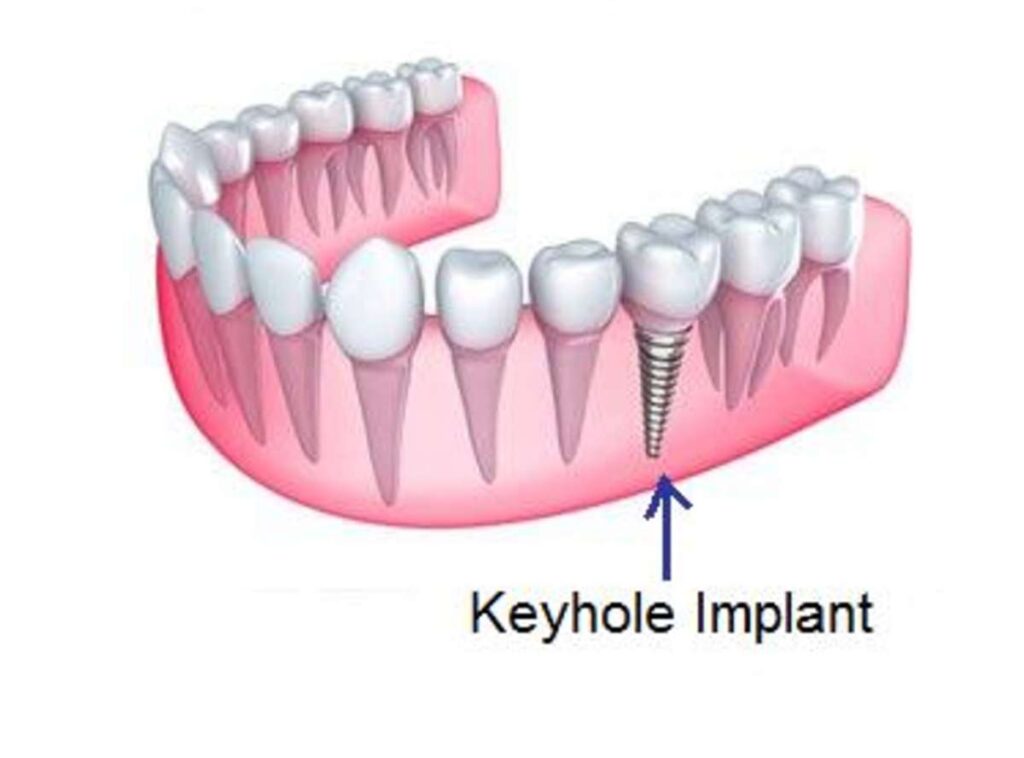
The keyhole approach offers several advantages over traditional implant placement, including:
- Less Invasive: The smaller incision results in less pain, swelling, and bleeding, as well as faster healing time.
- Reduced Surgery Time: Keyhole implant surgery generally takes less time than traditional implant placement, reducing the amount of time the patient spends in the dental chair.
- No Flap Elevation: Unlike traditional implant placement, keyhole implants do not require lifting the gum to expose the jawbone, which can mean less trauma to the surrounding tissue.
Keyhole dental implants are suitable for most patients who need single or multiple tooth replacements. However, candidacy depends on several factors, including bone density, gum health, and other medical conditions.
It’s important to discuss all available options with your dentist or oral surgeon to determine the best course of treatment for your specific case.
Metal-Free Implants:
Metal-free implants, also known as ceramic or zirconia implants, are a type of dental implant that offer a more natural-looking alternative to traditional metal implants. They are made from biocompatible materials, which reduces the risk of allergic reactions and other complications.

Here’s what you need to know about metal-free implants:
- Material: Metal-free implants are made from either ceramic or zirconia, which are highly durable and biocompatible materials that integrate well with the jawbone.
- Aesthetics: Metal-free implants are typically preferred by patients who are concerned about the appearance of their teeth or who want a more natural-looking solution. Because they are tooth-colored, they blend seamlessly with the surrounding teeth.
- Strength: Metal-free implants are highly durable and offer comparable strength to traditional metal implants.
- Placement: Metal-free implants are placed using the same technique as traditional implants, involving a surgical procedure to insert the implant into the jawbone.
- Cost: Metal-free implants tend to be more expensive than traditional metal implants due to the cost of the materials and the specialized techniques required for placement.
Metal-free implants are generally suitable for most patients who require dental implants, although candidacy depends on several factors including bone density and gum health. It’s essential to discuss all available options with your dentist or oral surgeon to determine the best course of treatment for your specific case.
Mini Implants:
Mini implants are smaller in diameter than traditional dental implants, typically measuring 2.5 to 3 millimeters in diameter. They are often used to support dentures or partials and can be a good option for patients who have insufficient bone density to support traditional implants or who want a less invasive treatment option.

Here’s what you need to know about mini implants:
- Procedure: Mini implants are placed using a minimally invasive surgical technique that requires only a small incision in the gum tissue. The implants are screwed into the jawbone and provide a stable platform for dentures or partials.
- Benefits: Mini implants offer several benefits over traditional implants, including faster healing times, reduced pain and discomfort, and reduced cost.
- Stability: Although they are smaller in size, mini implants offer reliable stability and can support the bite force of normal chewing and speaking.
- Candidacy: Patients with good bone density and healthy gums may be good candidates for mini implants. However, not all patients may qualify, and a thorough evaluation by a qualified implant dentist or oral surgeon is necessary to determine the best course of treatment.
- Cost: Mini implants tend to be less expensive than traditional implants due to their smaller size and simpler placement procedure.
It’s important to discuss all available options with your dentist or oral surgeon to determine the best course of treatment for your specific case.
Full Mouth Implants:
Full mouth implants, also known as full arch dental implants or implant-supported dentures, are used to replace all the teeth in the upper and/or lower jaw. This is an excellent option for patients who have lost all or most of their teeth due to injury, disease or decay.

Here’s what you need to know about full mouth implants:
- Procedure: The procedure involves placing 4-6 dental implants in the jawbone to support a custom-made prosthesis that replaces all the missing teeth in the arch. The prosthesis can be screwed or snapped onto the implants and is designed to look and function like natural teeth.
- Benefits: Full mouth implants provide numerous benefits including improved appearance, speech, and chewing function. Additionally, they offer increased stability and comfort compared to traditional dentures.
- Types of Prostheses: There are two primary types of prostheses used for full mouth implants – fixed and removable. Fixed prostheses are permanently attached to the implants and can only be removed by a dentist. Removable prostheses can be taken out and cleaned by the patient.
- Cost: The cost of full mouth implants varies depending on factors such as the number of implants required, the type of prosthesis used, and the location of the treatment. While full mouth implants may be more expensive than traditional dentures, they provide a long-lasting and high-quality solution that can greatly improve quality of life.
It’s important to note that not all patients may qualify for full mouth implants, and a thorough evaluation by a qualified implant dentist or oral surgeon is necessary to determine the best treatment plan. Additionally, proper oral hygiene and regular dental visits are essential to maintain the health and longevity of the implants.
Basal Implants
Basal implants, also known as bicortical or cortical dental implants, are a type of implant that is designed to provide immediate stability and support for tooth restoration procedures. Unlike traditional dental implants, which anchor to the jawbone, basal implants use the cortical bone found in the upper and lower jaw to support the implant post.

Here’s what you need to know about basal implants:
- Procedure: Basal implants typically involve a minimally invasive surgical procedure that involves placing the implant post into the cortical bone of the jaw. Because the cortical bone is denser and more stable than the trabecular bone found in the jaw, basal implants can provide immediate support for tooth restoration procedures.
- Benefits: Basal implants offer several benefits over traditional dental implants, including faster healing times, reduced risk of implant failure, and the ability to support immediate loading of the restoration.
- Candidacy: Candidates for basal implants will need to undergo a thorough evaluation by a qualified implant dentist or oral surgeon to determine if they are suitable for the procedure. Factors such as bone density, gum health, and other medical conditions will be taken into consideration.
- Cost: The cost of basal implants varies depending on factors such as the location of the practice, the number of implants needed, and the materials used.
It’s important to discuss all available options with your dentist or oral surgeon and understand the full scope of the treatment plan, including any additional procedures that may be required. This will help you to make informed decisions about the cost of dental implant surgery and determine the best course of treatment for your specific case.
Same Day Implants:
Same day dental implants, also known as immediate load implants, are a type of implant placement technique that allows for the installation of a temporary crown or bridge on the same day as implant surgery. This technique can provide an expedited tooth replacement solution, with the patient leaving the office with a new tooth or teeth in place.

Here’s what you need to know about same day implants:
- Procedure: Same day implants involve placing the dental implant post and attaching a temporary crown or bridge onto the implant on the same day as the implant surgery. This technique requires precise planning and imaging to ensure accurate placement.
- Benefits: Same day implants offer several benefits over traditional implant placement techniques, including reduced treatment time, faster healing, improved patient convenience, and reduced overall cost.
- Candidacy: Not all patients are good candidates for same day implants, as candidacy depends on several factors such as bone density, gum health, and medical conditions. A thorough evaluation by a qualified implant dentist or oral surgeon is necessary to determine the best course of treatment.
- Cost: The cost of same day implants varies depending on factors such as the location of the practice, the number of implants needed, and the materials used.
It’s important to discuss all available options with your dentist or oral surgeon and understand the full scope of the treatment plan, including any additional procedures that may be required. This will help you to make informed decisions about the cost of dental implant surgery and determine the best course of treatment for your specific case.
Exploring the Benefits of Dental Implants: Why They’re a Great Option for Tooth Loss:
There are several benefits to choosing dental implants as a tooth replacement option, including:
- Improved appearance and self-confidence
- Restored oral function
- Preservation of jawbone and surrounding teeth
- Long-lasting solution compared to other tooth replacement options
| What to Expect During a Dental Implant Consultation |
|---|
| Before scheduling a dental implant surgery, it’s important to have a consultation with an oral surgeon to determine if you are the right candidate for the procedure. Here’s what to expect during a dental implant consultation: |
| Oral Examination |
|---|
| The oral surgeon will thoroughly examine your teeth, gums, and overall oral health. They will also evaluate your bone density and quantity to ensure there is enough healthy bone for the implant to be successful. If necessary, a bone graft may be recommended before the implant procedure. |
| X-Ray Examination |
|---|
| X-rays and CT scans will be taken to determine the density of the bone and the exact placement of the implant. This will help ensure the success of the implant procedure. |
| Treatment Options Discussion |
|---|
| After the examination, the oral surgeon will explain the different treatment options available. If dental implants are appropriate for you, a treatment plan will be developed by your primary dentist and the surgeon. Don’t hesitate to ask questions so that you can make an informed decision. |
| Treatment Plan |
|---|
| Once a dental implant treatment plan has been determined, the oral surgeon will go over the treatment process, including how long the treatment will take, how many appointments will be required, and what anesthesia and sedation dentistry options are available. Aftercare instructions will also be provided to ensure proper healing and recovery. |
Candidate for Dental Implants? Determining If You’re a Good Fit for the Procedure:
| Instructions | Pre-Operative Instructions | On the Day of Surgery – Instructions | Post-Operative – Instructions |
|---|---|---|---|
| No Smoking | 3 Days Before & 1 Week After Treatment | Treatment Duration: 1 to 2 Hours | No Hard Bruising: 7 Days (on Extraction site) |
| Drink Plenty of Water | 1 Week | Hospital Stay: Few Hours | Oral Hygiene: Use Salt-Water 1 to 2 days |
| Brush and Floss | Teeth should be clean | Invasive: Surgery required | Swelling: Use Ice Pack |
| No Make-up | 12 Hours Before & After Treatment | Anesthesia: General Anesthesia or IV Sedation | Avoid exercise: 6 to 10 Hours |
| Stay with Relative | 12 Hours | Recovery: 4 to 5 Days | |
| No Jewellery | Do not wear any Jewellery | Back to work: 1 to 2 Days (Depends on Work Type) | |
| No Contact Lens | Do not wear Contact Lenses | No heavy lifting: 1 to 2 Weeks | |
| No Medications | Stop Other Medicines (Ask doctor first) |
While the instructions provided in this table are based on standard procedures and average cases, it’s important to note that each patient may have unique conditions and require individualized treatment steps. Therefore, it is highly recommended that you consult with your surgeon to receive specific instructions tailored to your case. Additionally, if you experience any other symptoms or concerns throughout the process, be sure to bring them up with your surgeon.
The Dental Implant Procedure: What to Expect, Steps Involved, and Aftercare Tips:
A successful dental implant procedure requires careful planning, surgical precision, and proper aftercare. The process typically involves:
Before undergoing a dental implant procedure, it is essential to determine if you are a good candidate. Factors that may impact candidacy include:

- Sufficient jawbone density and quality
- Good oral health
- Healthy gum tissue
- No underlying medical conditions that could interfere with the healing process
To ensure a successful and safe procedure, a thorough dental examination and medical history review will be conducted by your dentist or specialist.
- Evaluation of Bone Density and Quantity One of the critical factors in the success of a dental implant procedure is having sufficient bone density and quantity to support the implant. Your dentist or specialist may conduct a CT scan or X-ray to evaluate the bone structure and determine the appropriate implant size and placement.
- Treatment Planning and Implant Placement Once the bone evaluation is complete, your dentist or specialist will develop a treatment plan tailored to your specific needs. The treatment plan includes the number of implants needed and their placement location.
- The Use of 3D Imaging for More Precise Implant Placement Advanced technology such as 3D imaging allows for more precise implant placement. The technology provides a virtual image of the jawbone, allowing the dentist or specialist to determine the optimal angle and depth for implant placement.

Dental Implant Specialists:
The dental implant surgery is typically performed on an outpatient basis under local anesthesia. There are three types of specialists who may perform the procedure:

- Oral and Maxillofacial Surgeons: Oral and maxillofacial surgeons are dental specialists who perform surgeries related to the face, jaws, and mouth. They are highly trained in implant placement and can manage any potential complications during and after surgery.
- Periodontists: Periodontists specialize in treating gum disease and placing dental implants. They have additional training in implant placement and can ensure the implant integrates with the surrounding gum tissue successfully.
- Prosthodontists: Prosthodontists specialize in restoring and replacing teeth. They often work closely with oral surgeons and periodontists to plan and place the implant and create custom-made crowns or dentures.
The dental implant surgery typically involves three main steps:
- Anesthesia Options: Your dentist or specialist will determine the most appropriate anesthesia option for your specific needs. Local anesthesia is typically used for implant surgeries, but other options such as nitrous oxide (laughing gas) or conscious sedation may be available.
- Incision and Implant Placement Technique: Once the anesthesia has taken effect, the dentist or specialist will make an incision in the gum tissue to expose the jawbone. A small hole is then drilled into the bone to place the implant. The implant post is screwed into the hole, and the incision is sutured closed.
- Finishing and Suturing the Incision Site: After the implant is placed, the incision site is cleaned, and sutures are used to close the incision. Depending on the patient’s unique needs, a temporary crown or bridge may be placed onto the implant to provide function and esthetics while the implant heals.
Healing and recovery are essential to ensuring the success of the implant procedure. During this time, it’s essential to follow any post-operative instructions provided by your dentist or specialist. These may include:

- Avoiding hard and chewy foods
- Taking pain medication as prescribed
- Applying ice to the affected area to reduce swelling
- Maintaining good oral hygiene practices
After the implant has healed, the dentist or specialist will place an abutment onto the implant. The abutment serves as a connector between the implant post and the custom-made crown, bridge, or denture that will be placed onto the implant.

- Importance of Regular Dental Check-Ups and Cleanings: Routine dental check-ups and cleanings are essential to maintain the health and longevity of the implant. Your dentist or specialist can monitor the implant’s condition and address any potential issues before they progress.
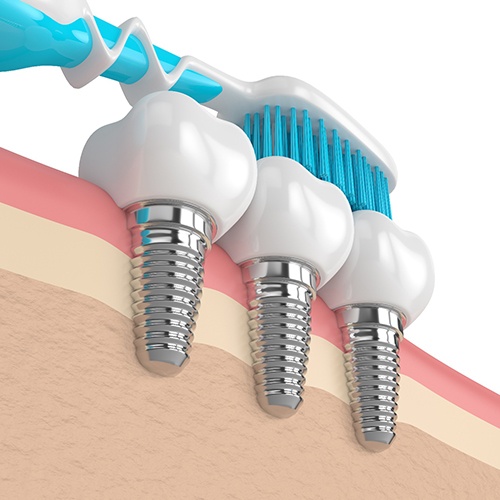
- Long-Term Maintenance of Oral Hygiene: Proper oral hygiene practices are crucial in maintaining the health of the implant and surrounding teeth. Brushing twice daily, flossing regularly, and using an antibacterial mouthwash can help prevent gum disease and preserve the implant’s integrity.
- Signs and Symptoms of Potential Complications: It’s essential to monitor the implant and surrounding tissue for any signs of potential complications. These may include:
- Pain or discomfort around the implant site
- Swelling, redness, or bleeding in the gums
- Looseness or movement of the implant
- Changes in the fit or feel of the crown, bridge, or denture
If you experience any of these symptoms, contact your dentist or specialist immediately.
The dental implant procedure is a multi-step process that requires careful planning, precise placement, and diligent aftercare to ensure long-term success. By working with a qualified dental professional, you can achieve a natural-looking, functional replacement for your missing teeth. Your dentist or specialist can provide additional information on the dental implant procedure and whether it’s the right option for your unique needs.
If you have a missing tooth, every day the bone tissue decreases
You will most likely have to undergo bone augmentation surgery.
Procedures Associated with Dental Implant Surgery
Dental implant surgery is a complex and delicate procedure that requires careful planning and execution. In some cases, additional procedures may be necessary to ensure the long-term success of the implants. These advanced procedures include bone grafting, sinus lift, guided implant surgery, and ridge augmentation. In this article, we will explore these procedures in detail, including their purpose, benefits, candidacy, and cost, to help patients make informed decisions about the appropriate course of treatment for their individual needs.
Guided Implant Surgery:
Guided implant surgery is a technique that utilizes advanced technology to plan and execute the placement of dental implants with utmost precision. This technology involves using a computer-generated surgical guide that directs the implant placement based on a 3D model of the patient’s jawbone.

Here are some key features and benefits of guided implant surgery:
- Digital Planning: Guided implant surgery uses digital imaging and software to create a 3D model of the patient’s jawbone for treatment planning. This allows the dentist or oral surgeon to accurately determine the best location, angle, and depth for implant placement.
- Customized Surgical Guide: Once the digital plan is finalized, a customized surgical guide is created. The surgical guide fits over the patient’s teeth and ensures precise positioning of the implants during the surgery.
- Minimally Invasive: Because the surgical guide directs the placement of the implants, there is less need for incisions and flap reflection, making the procedure less invasive and reducing healing time.
- Greater Accuracy: Guided implant surgery offers greater accuracy in implant placement, resulting in the improved success rates of implants and reducing the risk of complications such as nerve damage or perforation of the sinus cavity.
- Reduced Treatment Time: Due to the precision and predictability offered by guided implant surgery, the overall treatment time can be reduced, allowing patients to receive their replacement teeth sooner.
It is important to note that not all patients may qualify for guided implant surgery. Factors such as bone density, gum health, and other medical conditions must be evaluated before determining if this technique is appropriate. Additionally, the cost of guided implant surgery may be higher than traditional implant surgery due to the advanced technology involved.
Sinus Lift & Bone Grafting
Sinus lift and bone grafting are additional procedures that may be required before dental implant surgery. These procedures are designed to provide additional support and stability for the implants and ensure their long-term success.

Here’s what you need to know about sinus lift and bone grafting:
- Sinus Lift: A sinus lift is a surgical procedure that involves raising the sinus membrane to create space for bone grafting in the upper jaw. This allows for the placement of longer dental implants and provides added stability and support for the implant post.
- Bone Grafting: Bone grafting is a procedure that involves adding new bone to the jaw where it has been lost due to injury, disease or tooth loss. The new bone can come from another part of the patient’s body or from a donor source. Bone grafting provides additional support for the implant post and promotes healthy bone growth.
- Reasons for Sinus Lift & Bone Grafting: Sinus lift and bone grafting may be necessary if the patient has insufficient bone density or if the sinuses are too close to the mouth to accommodate the implant post. In these cases, the additional procedures provide the necessary support for successful implant placement.
- Candidacy: Candidates for these procedures will need to undergo a thorough evaluation by a qualified implant dentist or oral surgeon to determine if they are suitable for the procedures. Factors such as bone density, gum health, overall health, and medical conditions will be taken into consideration.
- Cost: The cost of sinus lift and bone grafting varies depending on factors such as the amount of bone graft needed and the complexity of the procedure. These procedures can add to the overall cost of dental implant surgery.
It’s important to discuss all available options with your dentist or oral surgeon and understand the full scope of the treatment plan, including any additional procedures that may be required. This will help you to make informed decisions about the cost of dental implant surgery and determine the best course of treatment for your specific case.
Nerve Lateralization
Nerve lateralization, also known as inferior alveolar nerve repositioning, is a surgical procedure that is sometimes required prior to dental implant surgery. This procedure is designed to avoid injury to the inferior alveolar nerve and reduce the risk of nerve damage during implant placement.

Here’s what you need to know about nerve lateralization:
- Procedure: Nerve lateralization involves moving the inferior alveolar nerve to a new position, away from the site of the implant placement. This is done through a small incision in the gum tissue, and the nerve is carefully repositioned to reduce the risk of damage during the implant placement procedure.
- Benefits: Nerve lateralization reduces the risk of nerve damage during implant placement and can help ensure the long-term success of the implants.
- Candidacy: Candidates for this procedure will need to undergo a thorough evaluation by a qualified implant dentist or oral surgeon to determine if they are suitable for the procedure. Factors such as the location of the implant and the proximity of the nerve to the implant site will be taken into consideration.
- Cost: The cost of nerve lateralization varies depending on factors such as the complexity of the procedure and the geographical location of the practice.
It’s important to discuss all available options with your dentist or oral surgeon and understand the full scope of the treatment plan, including any additional procedures that may be required. This will help you to make informed decisions about the cost of dental implant surgery and determine the best course of treatment for your specific case.
Ridge Augmentation
Ridge augmentation is a common dental procedure that is performed to rebuild or increase the height and width of the alveolar ridge, which is the bone that supports the teeth. The procedure involves adding bone or bone substitute material to the jawbone to create a more stable foundation for dental implants or other tooth restoration procedures.

Here’s what you need to know about ridge augmentation:
- Procedure: Ridge augmentation typically involves surgically placing bone grafting material into the area where the bone has been lost or resorbed. This helps to stimulate new bone growth over time and create a more stable foundation for tooth restoration procedures.
- Benefits: Ridge augmentation can help improve the appearance of the mouth and restore function to the teeth. It can also help prevent further bone loss and preserve the natural contours of the face.
- Candidacy: Candidates for ridge augmentation will need to undergo a thorough evaluation by a qualified implant dentist or oral surgeon to determine if they are suitable for the procedure. Factors such as bone density, gum health, and medical conditions will be taken into consideration.
- Cost: The cost of ridge augmentation varies depending on factors such as the amount of bone grafting material needed and the complexity of the procedure. Insurance may cover some or all of the costs associated with ridge augmentation.
It’s important to discuss all available options with your dentist or oral surgeon and understand the full scope of the treatment plan, including any additional procedures that may be required. This will help you to make informed decisions about the cost of dental implant surgery and determine the best course of treatment for your specific case.
Dental Implant Failure: Causes, Prevention, and What to Do If Your Implant Fails
Dental implant failure occurs when a dental implant, which is an artificial tooth root made of biocompatible materials such as titanium, fails to integrate with the surrounding bone and tissues. This can happen for several reasons, including:
- Poor implant placement: If the implant is not properly placed during surgery, it may not be able to integrate with the surrounding bone.
- Infection: Infection at the implant site can also cause failure by interfering with the healing process.
- Insufficient bone density: If there is not enough bone to support the implant, it may not fuse properly and can become loose or fail altogether.
- Overloading the implant: Placing too much pressure on the implant before it has fully integrated can cause it to fail.
- Medical conditions: Certain medical conditions such as diabetes can increase the risk of implant failure.
If you suspect your dental implant has failed, it is important to see your dentist or oral surgeon as soon as possible. Treatment options will depend on the extent of the failure and may include removing the implant, bone grafting, and placing a new implant once proper healing has occurred.
Maintaining Oral Health After Dental Implants:
Good oral hygiene practices are important in maintaining the longevity of dental implants. These include:

Preventing Gum Disease Before and After Dental Implants:
Preventative measures such as brushing and flossing regularly, following up with regular dental check-ups, and avoiding certain foods can help prevent gum disease.
- Brush your teeth at least twice a day with fluoride toothpaste
- Floss daily to remove plaque and food particles between teeth
- Use an antibacterial mouthwash to kill bacteria that causes gum disease
- Avoid smoking and tobacco use, as it increases the risk of gum disease and implant failure
- Eat a healthy diet rich in fruits and vegetables, and limit sugary and acidic foods and drinks
- Attend regular dental check-ups and cleanings to monitor and maintain oral health
10 Simple Steps to Maintain Oral Hygiene after Dental Implants:
Proper care and maintenance are essential in ensuring the longevity of dental implants, which include proper brushing and flossing technique as well as regular follow-up appointments with your dentist.
- Brush your teeth at least twice a day using a soft-bristled toothbrush and fluoride toothpaste.
- Floss daily to remove plaque and bacteria between teeth and implants.
- Use an antibacterial mouthwash to kill bacteria in hard-to-reach areas of the mouth.
- Avoid eating hard or sticky foods that can damage or dislodge the implant.
- Quit smoking to reduce the risk of implant failure and gum disease.
- Wear a nightguard if you grind your teeth to prevent damage to the implant.
- Attend regular dental check-ups and cleanings to monitor oral health and ensure proper implant function.
- Report any pain, swelling, or discomfort around the implant to your dentist immediately.
- Maintain a healthy diet that is low in sugar and acidic foods and drinks to reduce the risk of gum disease.
- Follow your dentist’s aftercare instructions carefully to ensure proper healing and recovery after the procedure.
The Role of Brushing and Flossing in Your Implant Care Routine:
Proper brushing and flossing techniques can help keep your implant clean and free from infection or damage.
Brushing and flossing are essential components of maintaining good oral hygiene, especially for dental implant patients. Here’s how brushing and flossing can help keep your implants in excellent condition:
- Brushing:
- Use a soft-bristled toothbrush and fluoride toothpaste to gently brush around the implant and surrounding teeth.
- Brush the chewing surfaces, outside surfaces, and inside surfaces of all teeth and gums thoroughly.
- Clean the abutment and crown with a special brush or interdental brush to remove bacteria and debris.
- Flossing:
- Use waxed or unwaxed floss to clean between the implant and surrounding teeth.
- Gently slide the floss up and down along the sides of the implant and under the gum line.
- Use a floss threader or water flosser if traditional floss is challenging to use.
Proper brushing and flossing techniques should be incorporated into your daily oral hygiene routine. It’s also important to attend regular dental check-ups and cleanings to monitor oral health and ensure that the implant is functioning correctly. Your dentist may also recommend specific oral care products designed for implant maintenance. By taking good care of your implants, you can enjoy a healthy, functional smile for many years to come.
Comparing Dental Implant Options:
Choosing the right type of dental implant to fit your unique needs is important. Comparing options such as dental bridges versus implants and natural teeth versus artificial teeth can help make the decision easier.
| Dental Implant Options | Pros | Cons |
|---|---|---|
| Dental Implants | Look and function like natural teeth Long lasting Prevent bone loss in the jaw | More expensive initially Requires surgery |
| Dental Bridges | Fixed in place, so no need for removal or adjustments Can be more affordable than implants | Can cause damage to surrounding teeth May need more maintenance over time |
| Natural Teeth | No surgical procedure required Least expensive option | May not be an option due to tooth decay or damage Prone to decay and wear over time |
| Artificial Teeth (Dentures) | Non-invasive procedure Can replace multiple missing teeth at once | Can slip or move around in the mouth May require frequent adjustments |
Risks and Complications with Dental Implants:
Although rare, there are risks and complications associated with dental implants. Factors affecting implant success and peri-implant disease can affect the outcome of the implant surgery. Proper care and maintenance can help minimize these risks.
| Risks and Complications with Dental Implants | Factors Affecting Implant Success | Factors Affecting Peri-Implant Disease |
|---|---|---|
| Infection | Poor oral hygiene, peri-implantitis | Poor oral hygiene, smoking, diabetes, medications that affect the immune system |
| Nerve Damage | Improper implant placement, trauma during surgery | Improper implant placement |
| Implant Failure | Insufficient bone density or quality, failed osseointegration, overloading of the implant | Poor oral hygiene, smoking, diabetes, bruxism (teeth grinding) |
| Allergic Reactions | Reaction to implant material or medication (rare) | Rare |
Cost and Affordability of Dental Implants:
The cost of dental implants varies depending on several factors. It’s important to consider financing options and choosing a qualified dental professional for your procedure.
| Implant Type | One Implant | Full Mouth(with hybrid denture) | ||||
|---|---|---|---|---|---|---|
| INR | USD | EURO | INR | USD | EURO | |
| Noble Biocare Active | 40,000/- | 452 | 373 | 4,00,000/- | 6024 | 4966 |
| Noble Zygoma Implants | 60,000/- | 904 | 745 | 4,20,000/- | 6325 | 5214 |
| Dentium Implants | 25,000/- | 301 | 248 | 3,50,000/- | 5271 | 4345 |
| Dio navi implants[Guided implants] | 25,000/- | 377 | 310 | 3,50,000/- | 5271 | 4345 |
| Zirconium Implants [metal free implants] | 60,000/- | 377 | 310 | 3,75,000/- | 5648 | 4656 |
| Ankylos implants | 20,000/- | 301 | 248 | 3,50,000/- | 5271 | 4345 |
| Phoenix implants | 18,000/- | 271 | 224 | 3,20,000/- | 4820 | 3973 |
| Basal Implants | 20,000/- | 226 | 186 | 3,00,000/- | 4518 | 3725 |
| Bredent Implants | 30,000/- | 332 | 224 | 3,50,000/- | 5271 | 4345 |
| B and B Implants | 30,000/- | 226 | 186 | 3,00,000/- | 4518 | 3725 |
| Zimmer implants | 35,000/- | 271 | 224 | 3,50,000/- | 5271 | 4345 |
Note – USD & EURO conversion as on treatment day
Cost Of Dental Implant Surgery Depends Upon
The cost of dental implant surgery can vary depending on several factors, including:
- Location: The cost of dental implant surgery can vary depending on the geographical location of the practice. Generally, urban areas tend to have higher prices than rural areas.
- Number of implants: The cost will depend on the number of implants needed to restore the patient’s teeth. Replacing multiple teeth with dental implants can be more expensive than replacing a single tooth.
- Type of implant used: The type of implant used can affect the overall cost. Metal-free or ceramic implants can be more expensive than traditional metal implants.
- Material used for restoration: The material used for the crown, bridge or denture that attaches to the implant post can affect the overall cost. Higher quality materials such as porcelain may cost more.
- Need for additional procedures: Additional procedures such as bone grafting, sinus lifts, or extractions may increase the overall cost.
- Expertise of the dentist: Experienced implant dentists or oral surgeons may charge more for their services.
It’s important to discuss all available options with your dentist or oral surgeon and understand the full scope of the treatment plan, including any additional procedures that may be required. This will help you to make informed decisions about the cost of dental implant surgery and determine the best course of treatment for your specific case.
FDA Approved Dental Implant Systems
There are several dental implant systems that have been approved by the United States Food and Drug Administration (FDA) for use in the United States. Here are a few examples:
- Nobel Biocare: This company offers several dental implant systems, including the NobelActive, NobelParallel Conical Connection, and NobelReplace systems.
- Straumann: Straumann offers several dental implant systems, including the Bone Level, Tissue Level, and Pure Ceramic systems.
- Zimmer Biomet: Zimmer Biomet offers several dental implant systems, including the Tapered Screw-Vent, Trabecular Metal Dental Implant, and Eztetic dental implant systems.
- Dentsply Sirona: Dentsply Sirona offers several dental implant systems, including the Ankylos, Astra Tech Implant System, and Xive implant systems.
It’s important to note that FDA approval is not the only factor to consider when choosing a dental implant system. Other factors, such as the reputation of the manufacturer, the experience of the dentist or oral surgeon, and the patient’s individual needs and preferences, should also be taken into consideration. It’s important to discuss all available options with your dentist or oral surgeon to determine the best course of treatment for your specific case.
Frequently Asked Questions:
In conclusion, dental implants are a highly effective and popular option for replacing missing teeth. They offer a long-lasting and high-quality solution, providing patients with greater stability, improved chewing ability, and a more natural-looking appearance than traditional dentures. With advancements in technology and surgical techniques, dental implant surgery has become more accessible and less invasive, making it a viable option for a wider range of patients.
However, it’s important to discuss all available options with your dentist or oral surgeon and understand the full scope of the treatment plan, including any additional procedures that may be required. This will help you to make informed decisions about the cost of dental implant surgery and determine the best course of treatment for your specific case. By choosing a qualified implant dentist or oral surgeon and selecting an FDA-approved implant system, patients can achieve a successful outcome and enjoy the benefits of a healthy and beautiful smile.
What are dental implants?
Dental implants are artificial tooth roots that are placed into the jawbone to support a replacement tooth or bridge.
How long do dental implants last?
With proper care and maintenance, dental implants can last a lifetime.
Is dental implant surgery painful?
Most patients experience little to no pain during dental implant surgery thanks to local anesthesia and sedation options. Some discomfort and swelling may occur afterwards but can be managed with over-the-counter pain medication.
Are dental implants right for everyone?
Not everyone is a good candidate for dental implants. Factors such as overall health, oral health, and bone density will be taken into consideration in determining suitability for the procedure.
How long does it take to get dental implants?
The length of time for the dental implant process can vary depending on factors such as the number of teeth being replaced, the need for additional procedures such as bone grafting, and healing time.
Can I eat normally with dental implants?
Yes, with proper care and maintenance, dental implants function like natural teeth and allow for normal eating and chewing.
How much do dental implants cost?
The cost of dental implants varies depending on several factors, including the number of teeth being replaced, the need for additional procedures, and the location of the practice.
Will my dental insurance cover the cost of dental implants?
Some dental insurance plans may cover the cost of dental implants, however, coverage varies by plan and it’s important to check with your provider to determine what costs will be covered.
How do I care for my dental implants?
Proper oral hygiene practices, such as regular brushing and flossing, as well as routine dental check-ups, are essential to maintaining healthy dental implants.
Are there any risks associated with dental implant surgery?
As with any surgical procedure, there are some risks associated with dental implant surgery, including infection, nerve damage, and implant failure. However, these risks can be minimized with proper planning and care.